
1341-49-7
- Product Name:Ammonium hydrogen fluoride
- Molecular Formula:NH4.HF2
- Purity:99%
- Molecular Weight:57.04
Product Details
Cost-effective and customizable Ammonium hydrogen fluoride 1341-49-7 for sale
- Molecular Formula:NH4.HF2
- Molecular Weight:57.04
- Appearance/Colour:white scales or flakes
- Vapor Pressure:19.4mmHg at 25°C
- Melting Point:125 °C(lit.)
- Boiling Point:230 °C
- PKA:6.3[at 20 ℃]
- Flash Point:238°C
- PSA:3.24000
- Density:1.5 g/cm3
- LogP:1.38930
Ammonium hydrogen difluoride(Cas 1341-49-7) Usage
|
Air & Water Reactions |
Dissolves in water and forms a weak solution of hydrofluoric acid. |
|
Reactivity Profile |
AMMONIUM BIFLUORIDE reacts violently with bases. In presence of moisture will corrode glass, cement, and most metals. Flammable hydrogen gas may collect in enclosed spaces. Do not use steel, nickel, or aluminum containers [USCG, 1999]. |
|
Hazard |
Corrosive to skin. |
|
Health Hazard |
TOXIC; inhalation, ingestion or skin contact with material may cause severe injury or death. Contact with molten substance may cause severe burns to skin and eyes. Avoid any skin contact. Effects of contact or inhalation may be delayed. Fire may produce irritating, corrosive and/or toxic gases. Runoff from fire control or dilution water may be corrosive and/or toxic and cause pollution. |
|
Fire Hazard |
Non-combustible, substance itself does not burn but may decompose upon heating to produce corrosive and/or toxic fumes. Some are oxidizers and may ignite combustibles (wood, paper, oil, clothing, etc.). Contact with metals may evolve flammable hydrogen gas. Containers may explode when heated. |
|
Flammability and Explosibility |
Nonflammable |
|
Safety Profile |
Caustic poison and strong irritant by all routes. See also HYDROFLUORIC ACID. When heated to decomposition it emits very toxic fumes of F-, NO,, and NH3. |
|
Potential Exposure |
It is used as a sterilizer, in dairy and brewery operations; in the ceramic, glass, and electroplating industries; as a laundry sour. |
|
Shipping |
Administer oxygen if breathing is difficult. Remove and isolate contaminated clothing and shoes. In case of contact with substance, immediately flush skin or eyes with running water for at least 20 minutes. For minor skin contact, avoid spreading material on unaffected skin. Keep victim warm and quiet. Effects of exposure (inhalation, ingestion or skin contact) to substance may be delayed. Ensure that medical personnel are aware of the material(s) involved and take precautions to protect themselves. Medical observation is recommended for 24 to 48 hours after breathing overexposure, as pulmonary edema may be delayed. As first aid for pulmonary edema, a doctor or authorized paramedic may consider administering a drug or other inhalation therapy. |
|
Incompatibilities |
Incompatible with oxidizers (chlorates, nitrates, peroxides, permanganates, perchlorates, chlorine, bromine, fluorine, etc.); contact may cause fires or explosions. Keep away from alkaline materials, strong bases, strong acids, oxoacids, epoxides. In the presence of moisture corrodes concrete, metals, glass. |
|
Waste Disposal |
May be buried in a specially designated chemical landfill. Aqueous wastes may be reacted with an excess of lime followed by lagooning and either recovery or land disposal of the separated calcium fluoride. |
|
Physical properties |
Orthorhombic or tetragonal crystals; etches glass; deliquescent; density 1.50 g/cm3; refractive index 1.390; melts at 125.6°C; very soluble in water; slightly soluble in alcohol. |
|
General Description |
Ammonium bifluoride solution is the white crystalline solid dissolved in water. Ammonium hydrogen difluoride is corrosive to metals and tissue. Ammonium hydrogen difluoride is used in ceramics. |
InChI:InChI=1/FH.H3N/h1H;1H3/p+1
Relevant Products
-
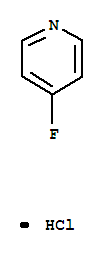 4-fluoropyridine hydrochloride
CAS:39160-31-1
-
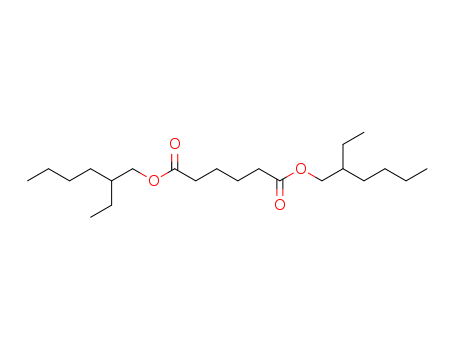 Dioctyl Adipate
CAS:103-23-1
-
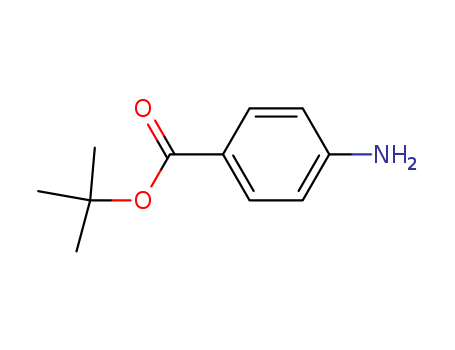 tert-Butyl 4-aminobenzoate
CAS:18144-47-3